Calcium Propionate vs Potassium Sorbate for Bakery: Key Differences, Applications and Shelf Life Effects
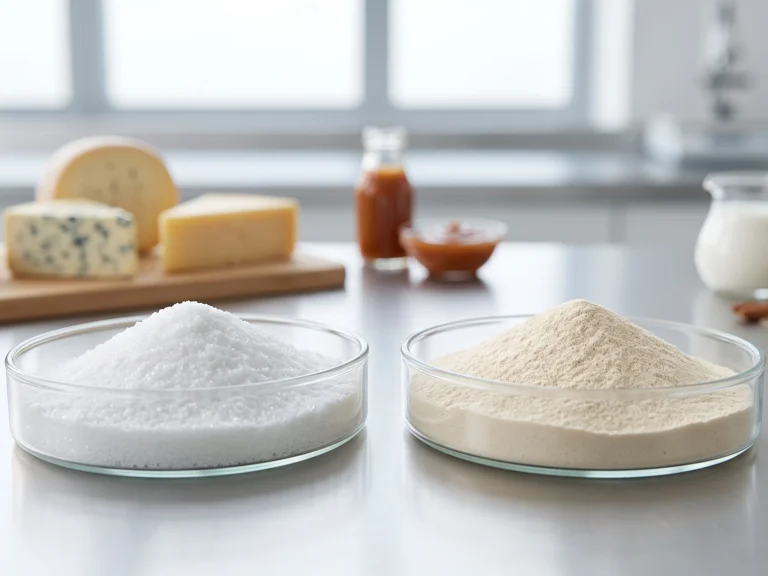
In the food industry, extending shelf life while maintaining sensory quality and food safety is critical. Calcium propionate and potassium sorbate are two of the most widely used food preservatives for bakery products. For bakery manufacturers, choosing between calcium propionate and potassium sorbate depends on product type, fermentation requirements, moisture level, and desired shelf life.
This article provides a structured guide for food manufacturers, helping procurement and R&D teams select the most suitable bakery preservative based on production requirements rather than chemical properties alone.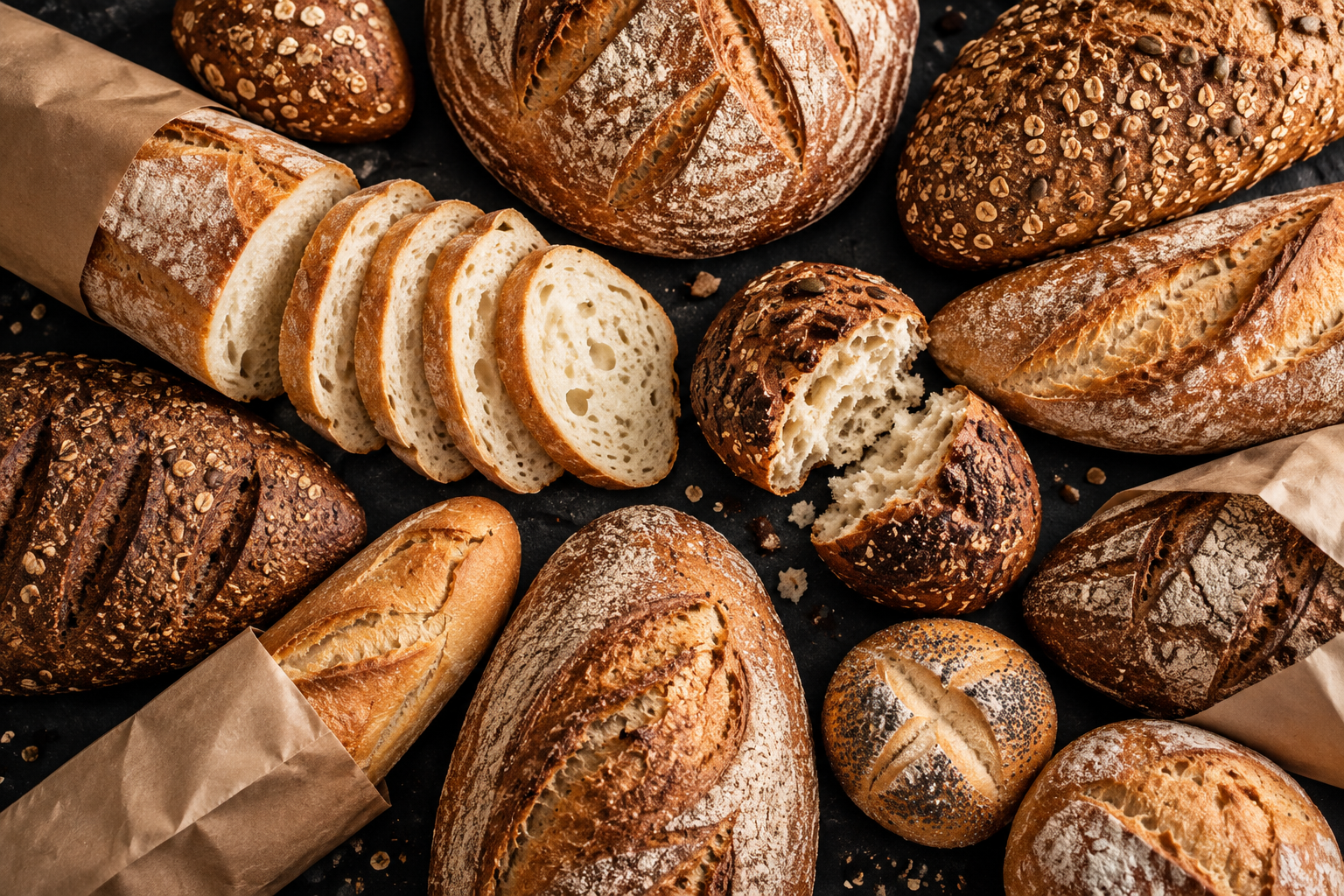
What Calcium Propionate Is
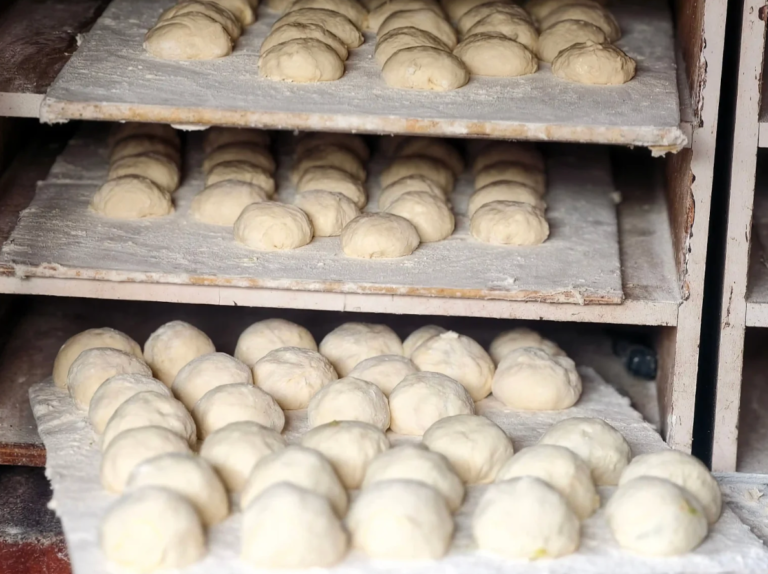
Calcium propionate is the calcium salt of propionic acid and functions primarily as a mold inhibitor in bakery applications. Its most important advantage is its compatibility with yeast fermentation, making it one of the most commonly used preservatives for yeast-leavened bakery products.
Calcium propionate for bakery applications is commonly used in:
- Sliced bread and commercial bread production
- Buns and rolls
- Tortillas and flatbreads
- Other yeast-raised dough systems
By controlling mold growth while maintaining yeast activity, calcium propionate helps manufacturers achieve consistent dough expansion, crumb structure, and longer mold-free shelf life during storage and distribution.
What Potassium Sorbate Is
Potassium sorbate is the potassium salt of sorbic acid and is widely recognized as a broad-spectrum preservative against molds, yeasts, and certain microorganisms. Due to its excellent solubility and neutral sensory profile, it is widely used in products requiring reliable microbial control.
Potassium sorbate for bakery applications is commonly used in:
- Cakes and muffins
- Pastries and chemically leavened baked goods
- Fruit fillings and glazes
- Cream-based bakery products
Because potassium sorbate provides effective mold and yeast inhibition, it is especially suitable for high-moisture bakery products where yeast fermentation is not required.
Functional Differences & Applications Comparison
Although both ingredients are widely used bakery preservatives, their functional behavior differs significantly based on yeast interaction, moisture conditions, and product formulation. The following comparison helps manufacturers select the appropriate solution.
| Dimension | Calcium Propionate | Potassium Sorbate |
|---|---|---|
| Function | Mold inhibitor | Broad-spectrum mold & yeast inhibitor |
| Yeast Impact | Compatible with yeast fermentation | May inhibit yeast activity |
| Best Bakery Applications | Sliced bread, buns, tortillas, yeast-raised products | Cakes, pastries, fruit fillings, high-moisture bakery products |
| Shelf Life Benefit | Extends mold-free storage of yeast-fermented bakery products | Provides microbial protection in moisture-rich products |
| Solubility | Moderate | Excellent |
| Typical Usage | 0.2% – 0.5% (based on flour weight) | 0.05% – 0.2% (based on total product weight) |
Shelf Life Effects of Calcium Propionate and Potassium Sorbate in Bakery Products
The main purpose of using bakery preservatives is to maintain product quality from production through storage and distribution. However, the most suitable preservative depends on the characteristics of each product.
Calcium Propionate Shelf Life Effects
Calcium propionate is widely used in commercial bread production because it helps prevent mold growth during storage while maintaining normal yeast fermentation. It is especially suitable for packaged bread, sandwich bread, rolls, and tortillas where maintaining consistent shelf life is important.
Potassium Sorbate Shelf Life Effects
Potassium sorbate provides effective protection against mold and yeast in products with higher moisture content. It is commonly used in cakes, pastry fillings, fruit fillings, and other bakery products where yeast fermentation is not required.
Preservative Selection by Product Type
To simplify procurement and R&D decisions, manufacturers can use this matrix to match bakery products with suitable preservatives:
| Product Type | Recommended Preservative | Reason |
|---|---|---|
| Sliced bread | Calcium Propionate | Prevents mold growth without affecting yeast fermentation |
| Burger buns | Calcium Propionate | Suitable for large-scale yeast-raised bakery production |
| Cakes | Potassium Sorbate | Provides mold and yeast control in high-moisture products |
| Fruit fillings | Potassium Sorbate | Effective preservation in acidic food systems |
How They Are Used in the Food Industry
In practical bakery manufacturing, each preservative is selected and applied according to its functional characteristics and target product.
- Calcium Propionate: Typically added as a dry ingredient during dough mixing. Because it does not significantly affect yeast fermentation, it is widely used in bread, buns, and other yeast-raised bakery products.
- Potassium Sorbate: Usually incorporated into formulations where yeast fermentation is not required, including cakes, fillings, pastries, and other high-moisture bakery products.
Common Misconceptions
A common misconception among product developers is that calcium propionate and potassium sorbate can be used interchangeably in all bakery applications. In reality, their effectiveness depends heavily on product formulation, fermentation requirements, and moisture conditions.
Potassium sorbate provides broad-spectrum antimicrobial protection, but direct addition to yeast-leavened dough systems may negatively affect yeast activity. For this reason, it is generally more suitable for cakes, pastries, fillings, and other products where yeast fermentation is not a critical process step.
Calcium propionate is preferred for yeast-raised bakery products because it provides mold protection while maintaining normal fermentation performance. However, it is primarily focused on mold inhibition rather than broad-spectrum yeast control.
Conclusion
Both calcium propionate and potassium sorbate are important tools for improving bakery shelf life and reducing product spoilage. However, the optimal preservative depends on product type, fermentation requirements, moisture level, and target shelf life.
Calcium propionate remains the preferred solution for yeast-raised products such as bread, buns, and tortillas because it provides mold protection without interfering with yeast fermentation. Potassium sorbate offers broader antimicrobial activity and is especially suitable for cakes, pastries, fruit fillings, and other high-moisture bakery products where yeast fermentation is not required.
For manufacturers who need the broad-spectrum antimicrobial performance of sorbic acid while reducing fermentation-stage yeast inhibition, Niranbio also supplies Encapsulated Sorbic Acid . Using microencapsulation technology, this product helps protect sorbic acid during dough processing and fermentation, while allowing effective antimicrobial activity after baking. It provides an alternative solution for bakery formulations requiring both fermentation performance and extended shelf life.
You can view another article to compare encapsulated sorbic acid with calcium propionate.
Niranbio supplies food-grade Calcium Propionate, Potassium Sorbate, and Encapsulated Sorbic Acid with stable quality, reliable bulk supply, and technical support for food manufacturers worldwide.
FAQs
Which preservative is better for bread, calcium propionate or potassium sorbate?
Calcium propionate is generally the preferred choice for bread and other yeast-raised bakery products. It effectively prevents mold growth while allowing baker’s yeast to ferment normally, helping maintain dough expansion, texture, and product consistency.
How does calcium propionate extend bread shelf life?
Calcium propionate helps control mold growth during storage and distribution. By inhibiting mold development on bread products, it extends the mold-free shelf life and reduces spoilage risks.
Can potassium sorbate be used in yeast bread?
Generally, potassium sorbate is not recommended for direct addition to most yeast-leavened dough systems because it may inhibit yeast activity. It is more commonly used in bakery products where fermentation is not required, such as cakes, pastries, and fillings.
What is the best preservative for commercial bakery products?
The best preservative depends on the product formulation. Calcium propionate is widely used for yeast-raised bakery products such as bread and buns, while potassium sorbate is commonly selected for high-moisture products such as cakes, pastries, and fruit fillings.
Can calcium propionate and potassium sorbate be combined?
They can be combined in certain formulations, but the application depends on product requirements and fermentation conditions. Manufacturers should evaluate preservative combinations based on microbial targets, product composition, and processing methods.
What is the difference between potassium sorbate and encapsulated sorbic acid?
Potassium sorbate provides broad-spectrum mold and yeast inhibition but may interfere with yeast fermentation when directly incorporated into yeast-leavened dough. Encapsulated Sorbic Acid uses a protective coating system to reduce direct interaction with yeast during fermentation while maintaining the antimicrobial benefits of sorbic acid after baking, making it a suitable option for bakery products requiring both fermentation performance and extended shelf life.