
Sodium Diacetate vs Potassium Sorbate: Differences, Applications and Food Safety
Choosing the right preservative is important for maintaining food quality, extending shelf life, and meeting consumer expectations. Sodium Diacetate and Potassium Sorbate are two widely used food preservatives, but they serve different purposes in different food applications. While both ingredients are highly effective at extending shelf life, Choosing the wrong preservative may affect product taste, stability, and expected shelf life.
This article provides a straightforward selection guide for food manufacturers, helping product developers and procurement teams choose the right preservative based on their specific product category, moisture levels, and flavor profiles.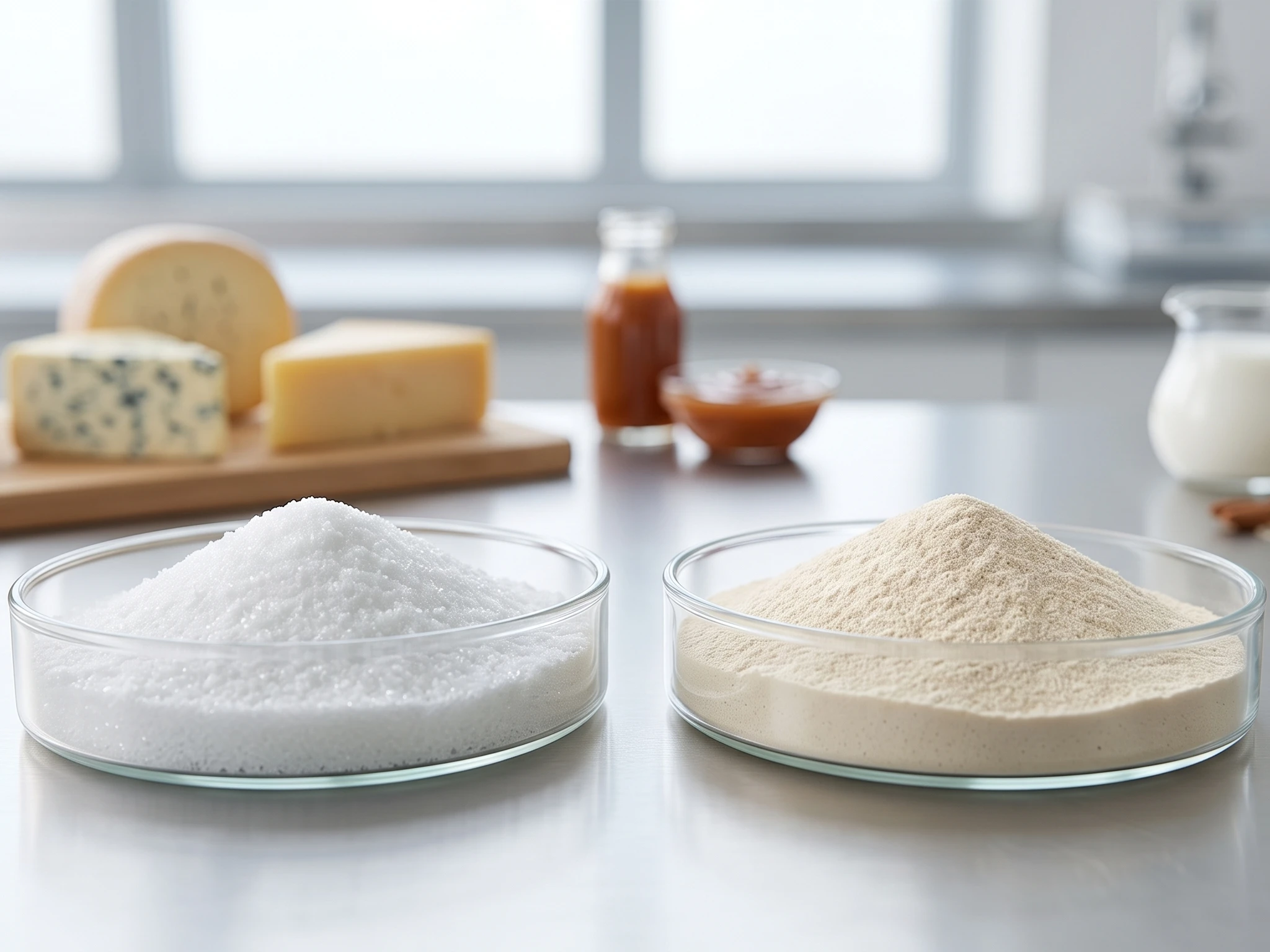
What Sodium Diacetate Is
Sodium diacetate is an antimicrobial agent that helps inhibit the growth of bacteria and mold in suitable food applications. Because it is a combination of sodium acetate and acetic acid (the main component of vinegar), it provides a dual function: it provides antimicrobial support by contributing acetic acid functionality and helping maintain product stability. It does impart a mild vinegar-like flavor, which makes it particularly suitable for savory applications where a slight tanginess is either complementary or easily masked.
Sodium Diacetate is commonly selected for:
- Processed meats and poultry
- Breads and savory bakery items
- Cheese and dairy spreads
- Snack seasonings
If your product is savory, meat-based, or requires bacterial control, sodium diacetate is often a preferred choice.
For a comprehensive overview, see our Sodium Diacetate Guide.
What Potassium Sorbate Is
Potassium sorbate is a broad-spectrum preservative that is highly effective at stopping the growth of yeast and mold. Unlike sodium diacetate, potassium sorbate has a highly neutral flavor profile, has good water solubility, and can be easily incorporated into liquid formulations. This makes it an invisible protector in foods and beverages; it helps extend shelf life without altering the intended taste, smell, or texture of the product. without altering the intended taste, smell, or texture of the product.
Potassium Sorbate is typically used in:
- Beverages, fruit juices, and soft drinks
- Sauces, salad dressings, and syrups
- Jams, jellies, and fruit preserves
- Sweet baked goods and pastry fillings
If your product is sweet, liquid, or highly sensitive to flavor changes, potassium sorbate is the industry standard for preventing yeast fermentation and mold.
For a comprehensive overview, see our Potassium Sorbate Guide.
Functional Differences
- Main Preservation Focus: Bacteria Control & Mold Inhibition
- Sensory Impact: Mild vinegar/acidic taste
- Solubility: Good, often dry-blended
- Best Environments: Savory, solid, or bread
- Applications: Meats, cheese, bread, snacks
- Main Preservation Focus: Yeast/Mold Control & Liquid Foods
- Sensory Impact: Neutral, largely undetectable
- Solubility: Excellent water solubility
- Best Environments: High-moisture, sweet, or liquid
- Applications: Beverages, sauces, jams, fillings
Food Preservative Selection by Product Type
To simplify the formulation and procurement process, food manufacturers can use this direct mapping to determine which preservative is typically the most appropriate for their specific product line.
| Product Type | Commonly Selected Preservative | Reason for Selection |
|---|---|---|
| Processed Meats | Sodium Diacetate | Highly effective against bacteria; flavor complements savory profiles. |
| Beverages & Juices | Potassium Sorbate | Prevents yeast fermentation in liquids; dissolves clearly with no taste. |
| Sliced Bread | Sodium Diacetate | Helps prevent mold without killing baker’s yeast during the rising process. |
| Sauces & Dressings | Potassium Sorbate | Protects high-moisture condiments from mold and yeast without altering flavor. |
| Cheese & Spreads | Sodium Diacetate | Helps control microbial growth in savory, high-protein environments. |
| Jams & Jellies | Potassium Sorbate | Stops sugar-rich fruit products from fermenting over long shelf lives. |
How They Are Used in the Food Industry
Understanding the general application context is key to selecting the right preservative for your manufacturing line. While final recipes depend heavily on pH, water activity (Aw), processing conditions, and local regulations, the basic application methods differ:
Sodium Diacetate:
This preservative is typically used in dry-blended or solid food systems. In commercial manufacturing, it is commonly mixed directly into flour for bakery products, blended into meat formulations, or applied topically as a dry powder in snack seasonings.
Potassium Sorbate:
Due to its excellent solubility, this preservative is typically used in liquid or high-moisture food systems. Manufacturers usually incorporate it into beverages, sauces, syrups, and fruit jams, where it dissolves easily to provide even, invisible protection throughout the product.
Food Safety and Regulatory Considerations
When evaluating Sodium Diacetate vs Potassium Sorbate, food safety and regulatory compliance are top priorities for manufacturers.
Both Sodium Diacetate and Potassium Sorbate are widely approved food additives with established safety profiles. They are recognized as safe by major global food safety authorities, including the including recognized food safety authorities such as FDA and EFSA. Manufacturers should always follow local regulations and recommended usage levels for specific food categories to ensure optimal efficacy and prevent unwanted sensory changes.
Conclusion
Selecting the right preservative helps manufacturers maintain product quality, extend shelf life, and achieve consistent performance across different food applications. Sodium diacetate and potassium sorbate are both powerful tools, but they are commonly selected for entirely different food categories. If your product is processed meat, bread, cheese, or savory snacks, prioritize Sodium Diacetate for its bacterial control. If your product is a beverage, sauce, jam, or sweet baked good, prioritize Potassium Sorbate for its neutral flavor and exceptional yeast and mold inhibition.
Niranbio supplies food-grade Sodium Diacetate and Potassium Sorbate with stable quality, reliable bulk supply, and comprehensive technical support for food and beverage manufacturers worldwide.
FAQs
Can I use Potassium Sorbate in meat products?
Potassium sorbate is generally not the first choice for processed meat applications because it is mainly used for yeast and mold control rather than bacterial control. Potassium sorbate is not highly effective against the bacteria that commonly spoil meat. Sodium diacetate is typically the standard and far more effective choice for processed meats.
Does Sodium Diacetate make food taste like vinegar?
Yes, it can impart a mild vinegar flavor because it contains acetic acid. At commercial usage levels in meats and breads, this flavor is usually imperceptible or complements the food, but it makes it unsuitable for sweet beverages or desserts.
Which preservative is typically used for preventing yeast fermentation in juices?
Potassium sorbate is commonly selected for beverages and juices. It helps prevent yeast fermentation and mold growth while dissolving completely clear and leaving a neutral taste.
Can Sodium Diacetate and Potassium Sorbate be used together?
While they can be used together in highly specialized formulations, it is rare. They are typically used in entirely different food categories (savory/dry vs sweet/liquid) due to their differing flavor profiles and microbial targets.
Are both preservatives safe for food applications?
Yes. Both Sodium Diacetate and Potassium Sorbate are widely approved, globally recognized food additives with established safety profiles when used according to standard industry guidelines.